Livermore highlight
Historic downtown
Downtown Livermore was established as a railroad town in 1869, features the Livermore Carnegie Library from 1909, and was revitalized in the early 2000s to become a walkable civic center.
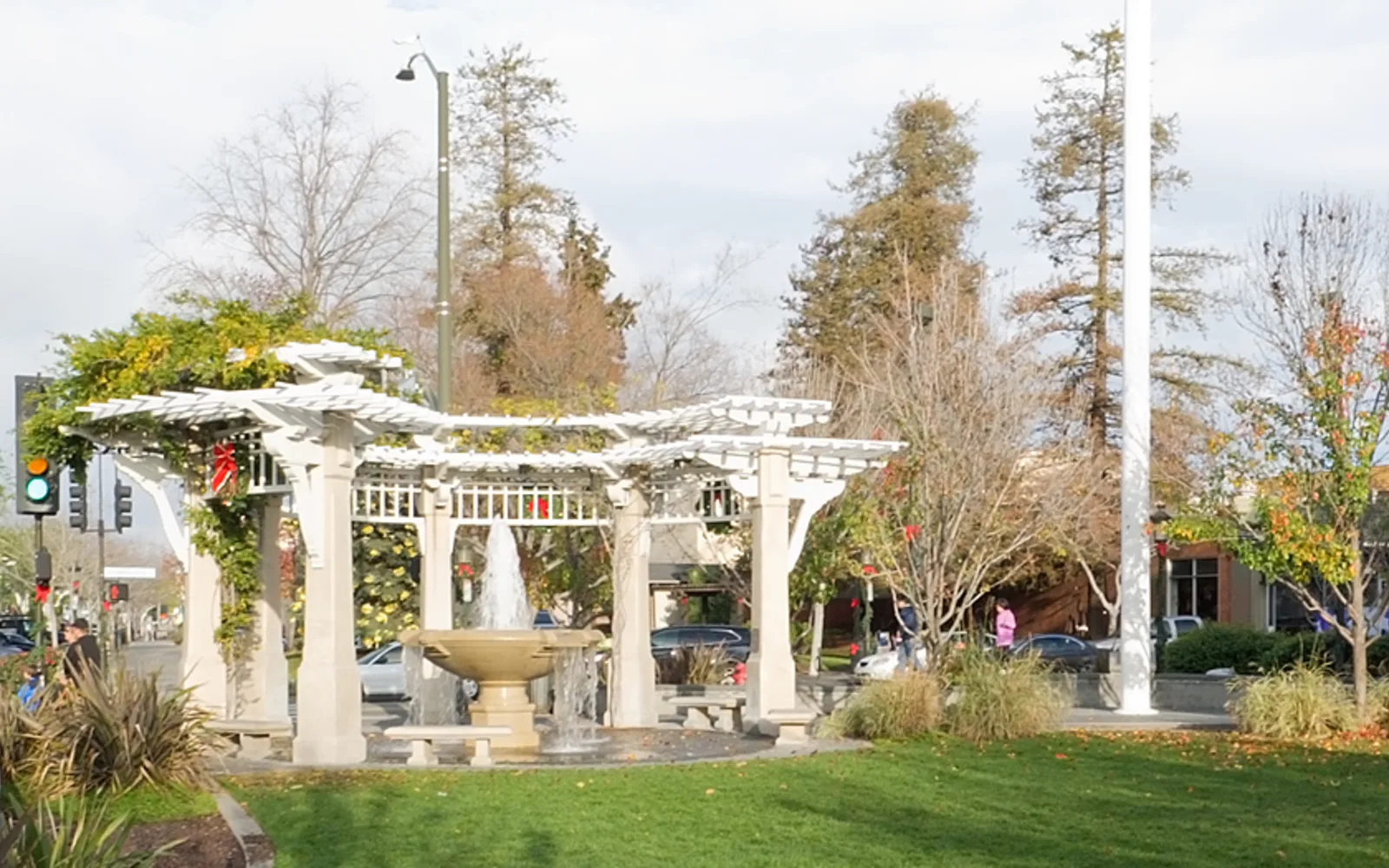
Livermore was platted as a railroad town on November 4, 1869, and officially incorporated on April 1, 1876. The downtown that grew around the railroad depot became the civic and commercial heart of the city. In 1909, the city opened the Livermore Carnegie Library, built with support from philanthropist Andrew Carnegie's library grant program, and it remains listed on the National Register of Historic Places. The First Presbyterian Church of Livermore and the Bank of Italy building, which houses the local newspaper The Independent, are among the other landmarks that shaped downtown's character over more than a century.
By the early 2000s, downtown Livermore had become a place people passed through rather than visited. The city undertook a significant revitalization, redirecting a highway and redesigning streets to make the downtown more walkable and pedestrian-friendly. The work has continued since then, with the district undergoing ongoing redevelopment to attract residents, businesses and visitors back to the historic core. Today the downtown serves as a gathering place for the community, hosting farmers markets, events and local gathering spaces.
Downtown districts anchor family life: where children attend library programs and civic events, where neighbors gather for farmers markets and celebrations, where a household's stability and place in a community take root. Planning for the people whose security depends on your income—a spouse, children, aging parents—is what term life insurance covers. A policy sized to your income and the years until your children are independent or your mortgage is paid off is a straightforward way to protect the life your family has built in Livermore.